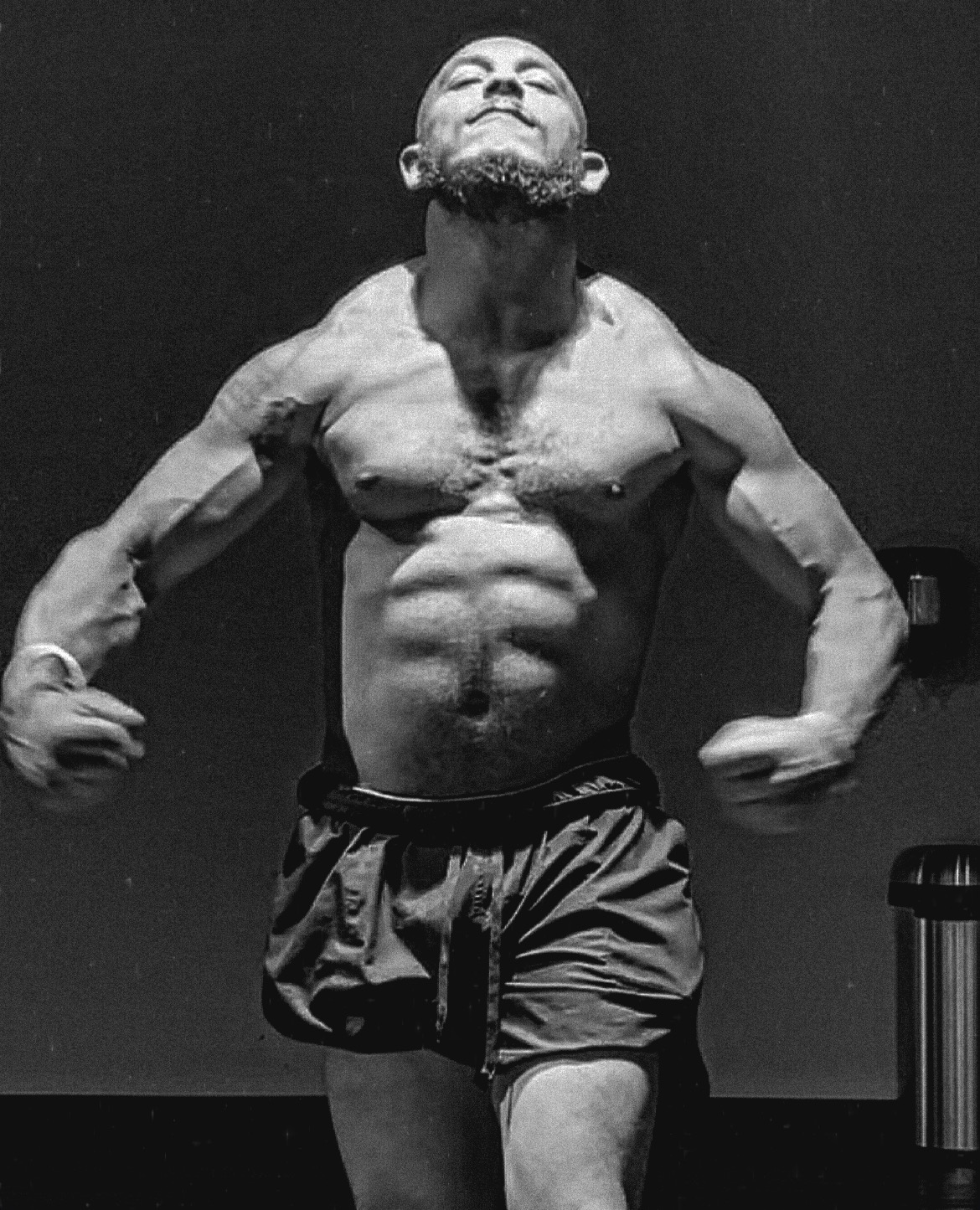
Science Doesn't Suit Everyone: A Case For Loving The Journey
The mirror complaint nobody admits
You stand in front of the mirror at 6:42am, juggling a coffee mug and a kid's permission slip, and the thought lands: "It's hard to stay consistent with balancing the gym and work schedule." That sentence isn't a science problem. It's a life problem dressed up in fitness clothes.
For the last decade, the loudest voices in this industry have insisted that the only legitimate way to train is "evidence-based." Periodized blocks. RPE charts. Mechanical tension. Volume landmarks. None of that is wrong. I read the journals. I run the numbers on my clients. But here's my hot take, plain as a starting flag:
Science-based lifting doesn't suit everyone. Some of us are here to enjoy the fitness journey for ourselves.
What the spreadsheet leaves out
I never lifted weights until I was 30. Before that I was a single dad and a machine operator at a printing company. I knew about long hours, callused hands, and the specific exhaustion of trying to be present for your kids when your body is borrowed against tomorrow. When I finally walked into a gym, nobody handed me a periodization model. They handed me a feeling.
That feeling is what brings 95% of new clients to me. They don't want a meta-analysis on the optimal rep range. They want to enjoy what they're doing for the first time in years.
A spreadsheet can't tell you:
- ▸How it feels when your kid asks to do "push-ups like dad"
- ▸The pride in lifting a piece of furniture without a thought
- ▸The five extra minutes of patience you have on a hard day because you trained hard that morning
How I actually coach
When someone joins The Foundation, my 8-week starter, the first four weeks aren't about hypertrophy zones. They're about three things:
1. Showing up on the days you said you would. That's it. Consistency is the only variable that matters early. 2. Finding two movements you genuinely love. Maybe it's the cable row. Maybe it's the trap-bar deadlift. Maybe it's stair sprints. We hunt for them on purpose. 3. Earning the right to be sore. My catchphrase exists for a reason: if it don't hurt a little, it don't count. But "a little" is the operative phrase.
By week five we start getting more methodical — progressive overload, tracked tonnage, the science creeps back in through the back door. But by then the relationship between you and the work has already changed. You're not "doing your program." You're a person who trains.
Where Ronnie and Richard meet
The way I describe my coaching brand is Ronnie Coleman mixed with Richard Simmons. People laugh at that pairing. They shouldn't. Ronnie trained with the most ferocious intention any human has ever put into a barbell. Richard taught a generation of people that joy belongs in the gym too. Both of them got people moving who otherwise wouldn't have. Both of them refused to be small.
That's the brief. Train with intention. Enjoy the journey. The science isn't gone — it's just not driving the bus.
When science DOES need to lead
I'm not anti-evidence. If you're a competitive lifter peaking for a meet, you need numbers. If you're rehabbing a shoulder after a car accident — like one client I worked with for a month who couldn't raise either arm above his head — you need precise, measured progression. I led that work with the most carefully scaled mobility protocol I've ever written. He got both arms overhead in 30 days.
Different goal, different tool.
What this means for you
If you've been told you "need" a science-stack approach and it's been killing your motivation — try it the other way for one cycle. Find two lifts you love. Show up the days you said you would. Earn a little soreness. Track nothing for four weeks except whether you came.
Then call me, and we'll add the spreadsheet back in.
More from the journal.
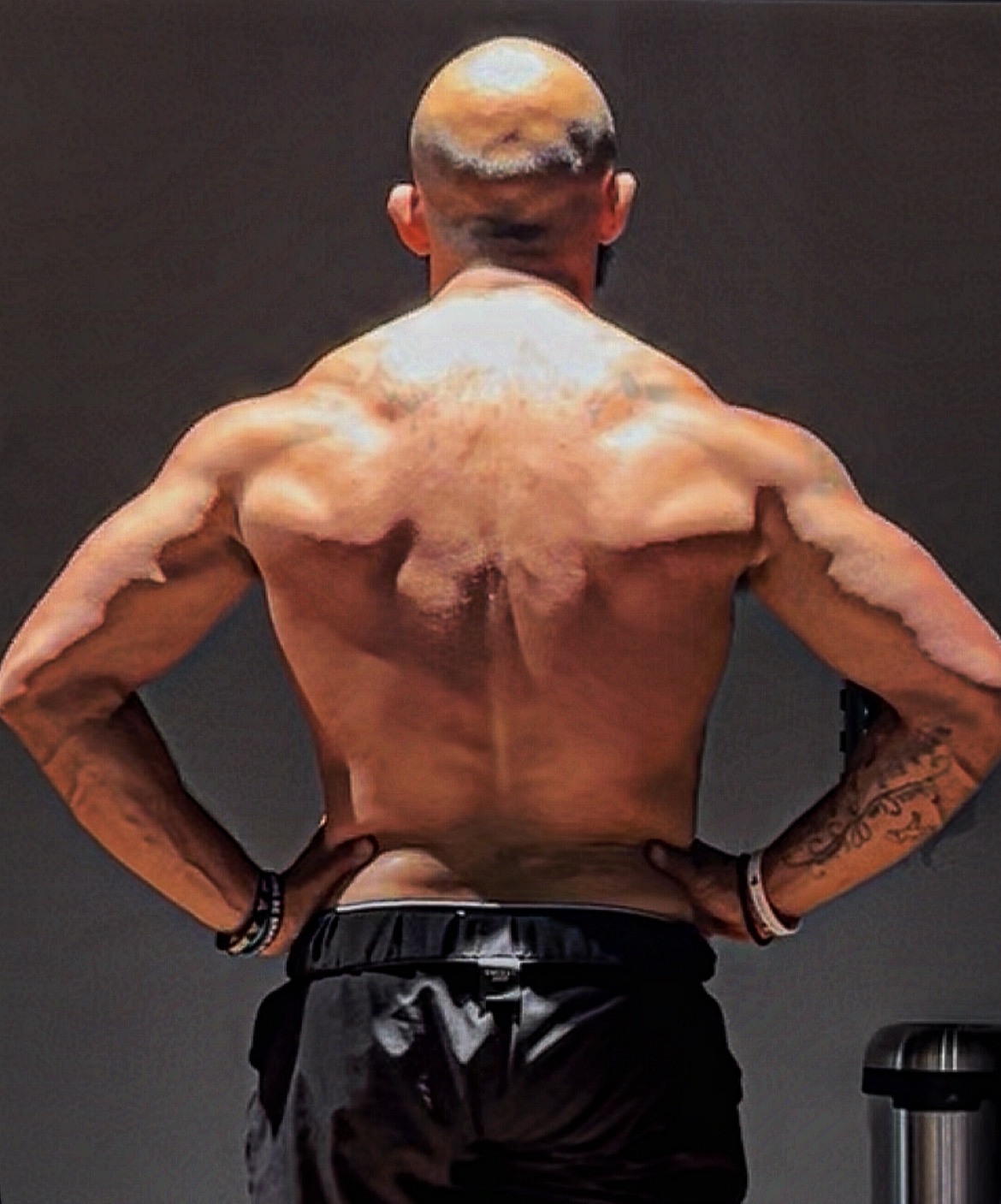
The Reps=Results Method: Why The Equation Has Two Sides
An equation isn't a slogan. It's a contract. Here's exactly how I balance the left side and the right side for every client.
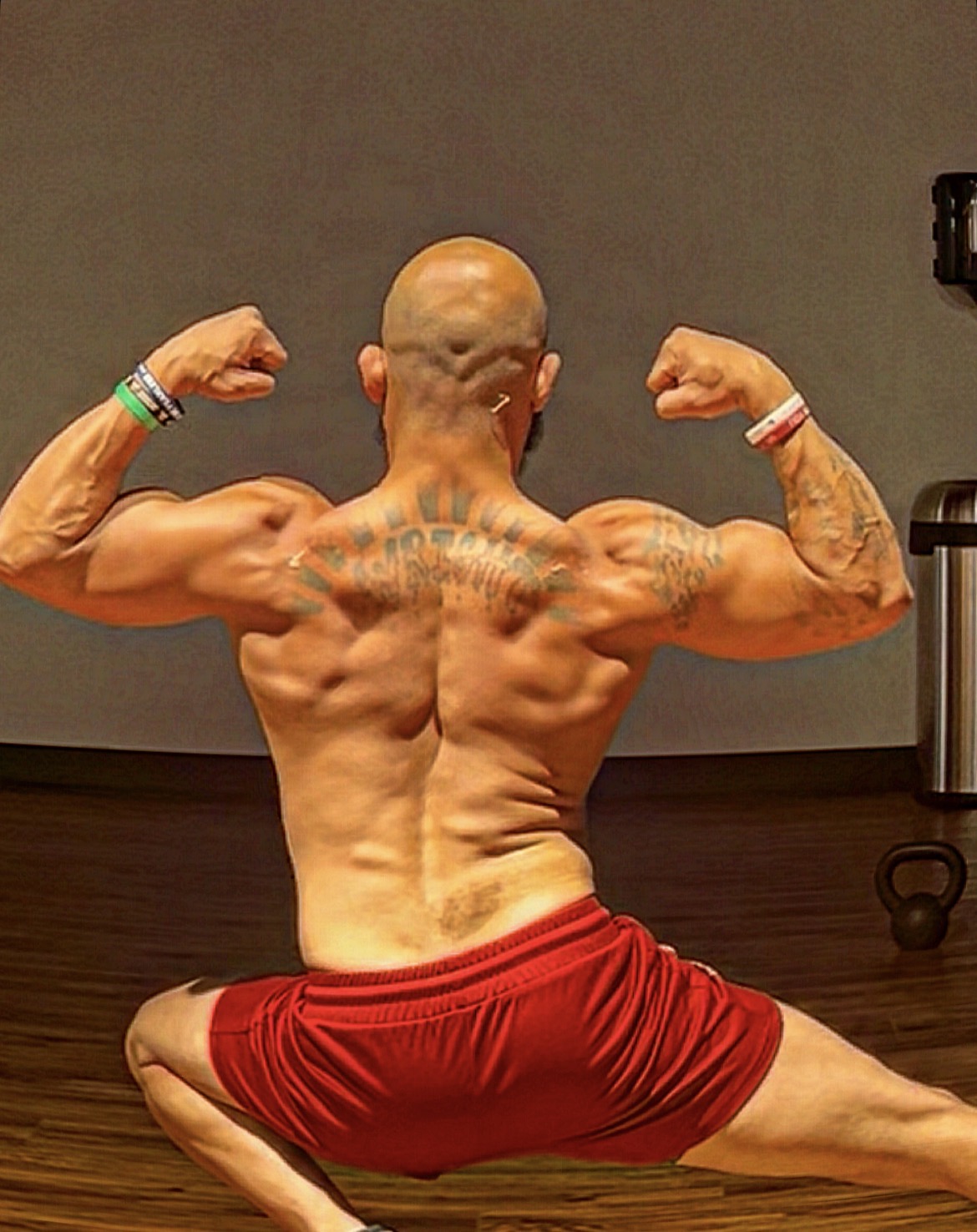
A Single Dad's Way Back To The Floor: One Client's 90 Days
He came in for fat loss. He stayed because his five-year-old asked him to wrestle and for the first time in three years, he could.
Ready to put the words into reps?
Intake calls are free. Programming starts when you say go.